
MASA is a consortium that shares knowledge on mobility decarbonization and turns emission reductions into visible, tradable environmental value — building a society where rich mobility and decarbonization advance together.
Member companies & organizations




















Why MASA
Fossil fuels are finite, and decarbonization is not an ideology but an inevitable structural shift. As countries move away from fossil-fuel dependence for reasons of energy security, frameworks such as GX-ETS, CBAM, and carbon pricing have become an irreversible baseline. Transport and logistics account for roughly a quarter of global CO₂ emissions, yet the diversity of vehicles and the complexity of operations make it one of the hardest sectors to abate — beyond what any single company can tackle alone.
But we do not aim for a future that decarbonizes by moving less. Through technological innovation and the economic circulation of environmental value, we pursue Sustainable Abundance — a society that grows richer the more it moves. MASA is a consortium where mobility operators, shippers, local governments, and technologists share knowledge across domains and jointly advance the accumulation of reduction data, regulatory readiness, and the creation and distribution of environmental value, pursuing rich mobility and decarbonization together.
Decarbonization Measures
We systematically map the major decarbonization measures in mobility, and as a consortium we validate and share each measure’s reduction impact, regulatory applicability, and potential to generate environmental value.
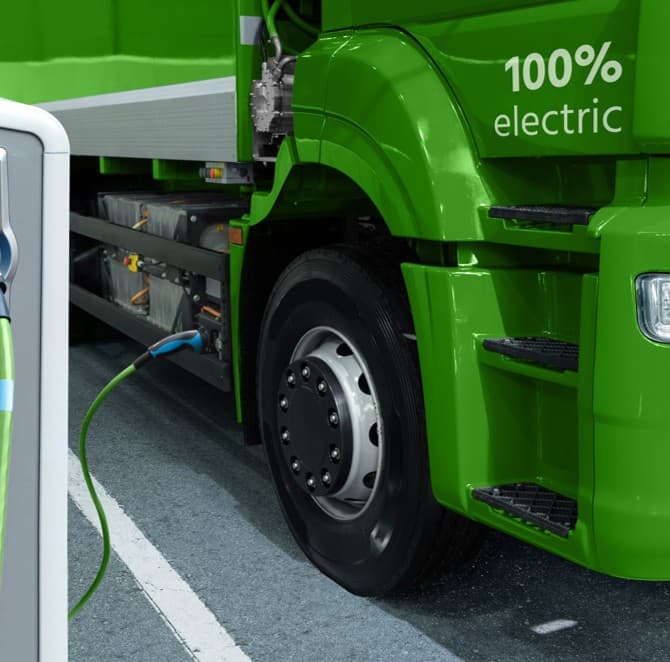
Direct emission reductions through commercial EVs and electric buses. End-to-end support from charging infrastructure and TCO analysis to generating J-Credits (EV charging shift).

CO₂ reductions by shifting freight from trucks to rail and shipping. We systematize evidence for Scope 3 Category 4 reductions and JCM application cases.
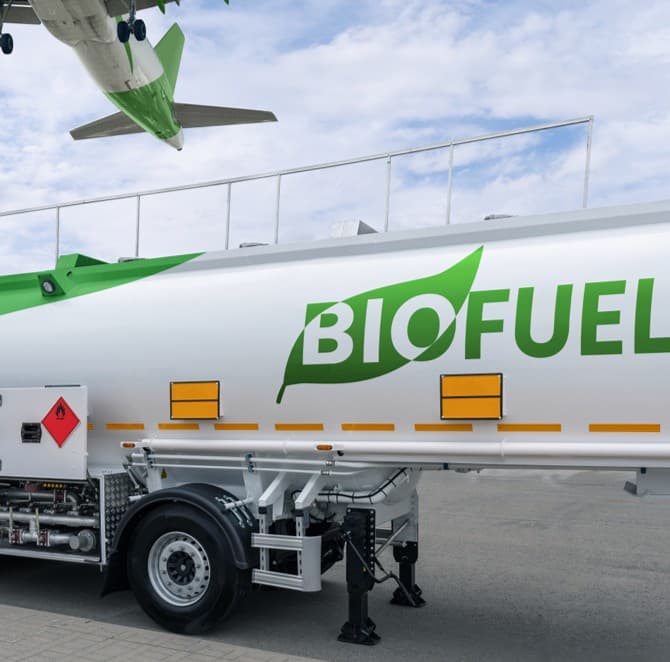
Transition to SAF, biofuels, and synthetic fuels, with Book & Claim trading of the associated environmental value. We help accelerate decarbonization across the supply chain.

Optimizing fuel and electricity consumption with telematics and fleet-management systems. We share methods to quantify reductions, including converting eco-driving programs into J-Credits.
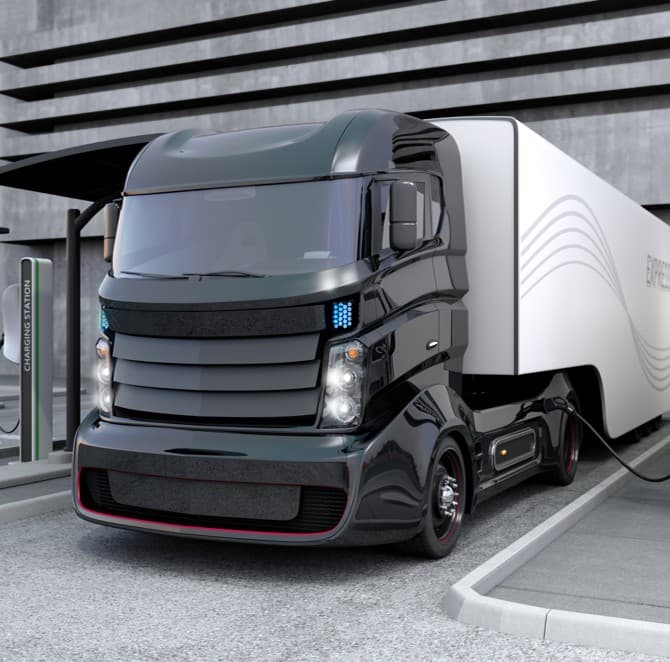
Real-time emissions measurement with IoT and digital MRV. A rigorous data foundation raises the quality and credibility of credit certification.
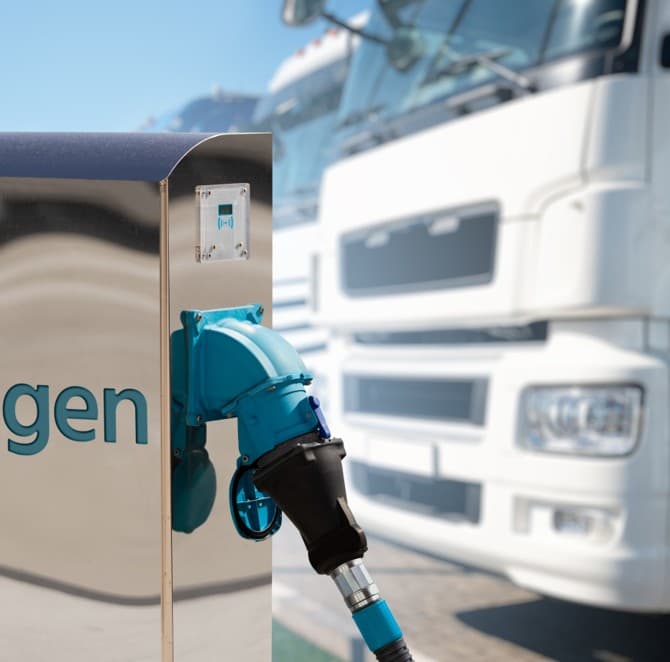
From certification to distribution of J-Credits and insetting credits. A platform that turns decarbonization measures from a cost into value.

Emission reductions through solar, wind, and other renewables. We support decarbonization strategies from on-site generation to green power certificates (RE100, non-fossil certificates).

Joint delivery, packaging reduction, warehouse energy savings, and other logistics-wide CO₂ reductions and sustainability improvements — including GHG Protocol-aligned disclosure support.
Who is MASA for
MASA is a consortium open to every player in the mobility decarbonization value chain.
You want to know how much CO₂ your EV adoption, joint delivery, or eco-driving programs actually cut — and how to turn that into value. You face challenges proving Scope 1 and 3 reductions.
You want to reduce Scope 3 Category 4 (transport) emissions but are unsure how to work with logistics providers or how to use Book & Claim. You want to drive decarbonization across your supply chain.
You want to enter the mobility carbon credit market. You see transport and logistics as a source of J-Credits and JCM credits. You are looking for new options for your ESG investment portfolio.
You are planning decarbonization measures for regional transport and want to reference pilot data and best practices from other municipalities and private operators. You want to stay current on GX-ETS and the J-Credit scheme.
What we offer
Cross-industry knowledge and a mechanism for returning value — things no single company can build alone.

EV adoption, operational optimization, modal shift — MASA quantifies the CO₂ reductions these measures deliver as J-Credits and insetting credits, making them tradable environmental value. As a consortium, we are building the mechanism that turns mobility operators’ decarbonization measures from a cost into value.
For shippers and buyers pursuing Scope 3 reductions, MASA serves as a platform for procuring credible environmental value. Through precise measurement with DMRV (digital MRV) and attribution via Book & Claim, we provide the foundation for circulating environmental value across the supply chain.

EVs, hydrogen, synthetic fuels, autonomous driving — new decarbonization technologies keep emerging in mobility, and their economics and CO₂ impact are updated daily. MASA systematically shares real-world figures grounded in member companies’ actual operational data — on-the-ground reductions, adoption costs, and ROI that catalog specs cannot show.
We also cover the policy and regulatory intelligence that drives business decisions: the latest on GX-ETS, CBAM, and the J-Credit scheme, and attribution mechanisms for environmental value including Book & Claim. Cross-cutting knowledge no single company could gather — accumulated and delivered by the consortium.
Advisory Board

Hokkaido University of Science
Urban and regional planning

Waseda University
Infrastructure planning, environmental impact assessment

The University of Tokyo
Traffic engineering

University of Tsukuba
Transport planning, tourism studies, infrastructure planning

Tottori University
Transport planning, data science

The University of Osaka
Transport and energy engineering

Kyushu University
Environmental engineering, environmental policy

Saitama University
Environmental planning, environmental impact assessment
Articles
Curated coverage of mobility decarbonization — policy developments in Japan and abroad, industry news, and technology trends. Membership is required to read full articles.
Offsets are purchased outside your company; insets circulate reductions made within your own supply chain. The SBTi revision finalized in June 2026 (Corporate Net-Zero Standard V2.0) formally recognizes Book and Claim as a legitimate instrument for Scope 3 reductions. We sort out what sets insets apart from offsets — including why selling them does not require adding the volume back to adjusted emissions.
EVs generate credits because the reduction is the difference between what a gasoline vehicle would have emitted and the emissions attributable to the electricity the EV consumed. The J-Credit scheme, however, applies a single nationwide grid emission factor, regardless of renewable procurement. We unpack this design choice, made to avoid double counting, and the institutional issues that can undervalue the environmental value of EVs.
With operational (telematics) data, improvements in how vehicles drive and carry can be quantified and converted into credits. Comparing Japan’s two J-Credit eco-driving methodologies (EN-S-023/034) with Verra’s VMR0004, which bundles multiple measures at fleet level, we explain how data measurement raises both the accuracy and the additionality of reductions.
Become a member to unlock insights
Register as a member to access the latest insights on mobility decarbonization.
Contact usMembership
Three plans to match your goals. Start with the free Standard plan.
¥0
Information plan
A free plan ideal for gathering the information you need to shape your decarbonization strategy. From regulatory developments — carbon credits, GX-ETS, JCM — to technology trends, it gives you a broad information base for strategic planning.
Join now¥100,000 / month
Hands-on advisory
For teams that want to work through their decarbonization strategy with experts before committing to a specific project. When articles alone are not enough and you want a continuous sounding board, we support you with a one-on-one meeting every two weeks.
Join nowNote: This plan is intended for discussion and advisory sessions and does not include the preparation or delivery of research materials or other deliverables. If you need specific research or deliverables, please consider the Project plan.
Custom quote
Project support
For organizations ready to move on a concrete initiative, such as registering a carbon credit project or procuring credits. We provide end-to-end support, from a feasibility study tailored to your requirements through project registration and credit procurement.
Contact us